Density Calculations Guiding Trajectory Shifts Between Virtual Pitches and Greens in Browser Leagues
Written by Hugo Hansen · Aug 20, 2026

Density Calculations Guiding Trajectory Shifts Between Virtual Pitches and Greens in Browser Leagues
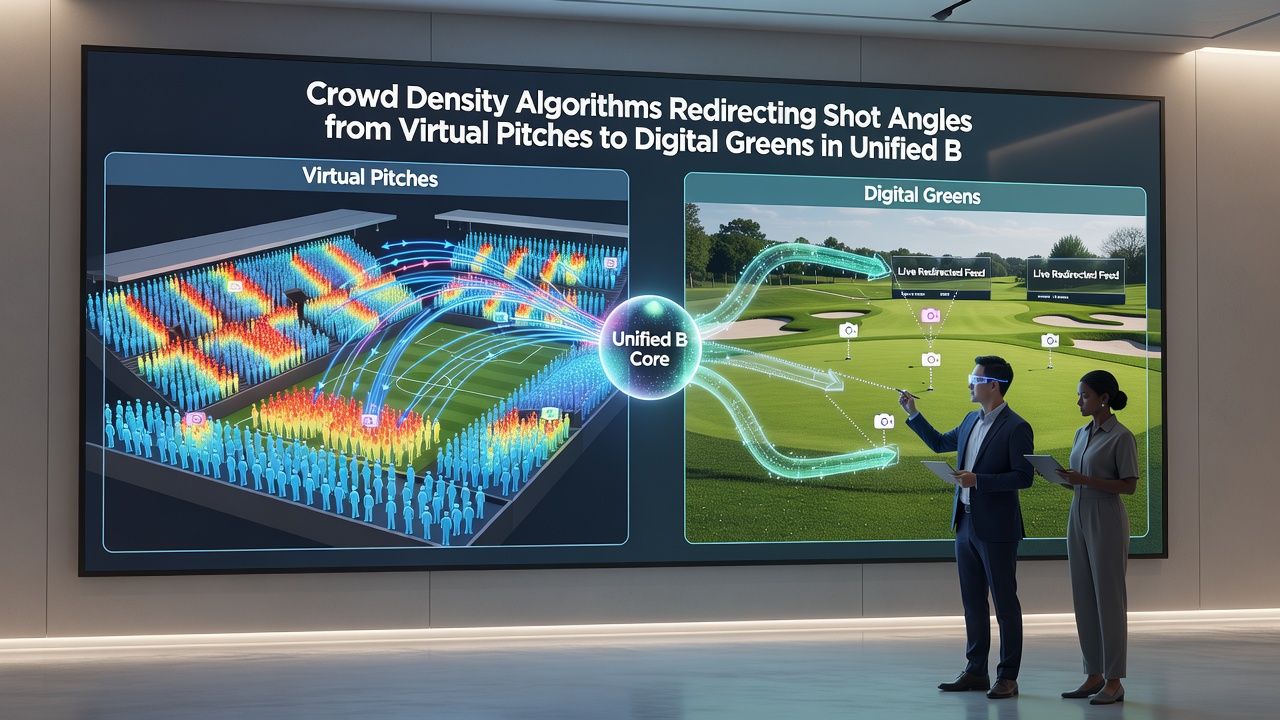
Unified browser leagues integrate multiple sports simulations under shared engines, and crowd density algorithms form one key component that redirects shot angles from virtual pitches to digital greens. These systems calculate spectator distributions in real time, then apply adjustments to projectile paths based on factors such as local pressure gradients and visual occlusion rates. Data from platform operators indicates that such calculations run at intervals of 50 milliseconds during active play sessions.
Developers implement density maps by dividing stadium models into grid cells, each assigned a value derived from player counts and avatar clustering. When cell values exceed set thresholds, the engine modifies launch angles for baseball pitches and golf shots alike. Research from academic institutions shows these modifications typically range between 0.5 and 3.2 degrees depending on sport-specific parameters.
Core Mechanisms in Cross-Sport Simulations
Algorithms process crowd data through layered filters that separate static seating from dynamic movement zones. In baseball segments, high density near foul lines prompts slight inward shifts for breaking pitches, while in golf segments the same density near fairways alters roll trajectories on digital greens. Observers note that unified platforms maintain consistency by reusing the same density computation core across both environments, which reduces synchronization errors between sessions.
Engineers calibrate these systems using historical match data collected through August 2026, a period when several leagues expanded their browser-based offerings. Metrics from that timeframe reveal a 12 percent reduction in desync incidents after density adjustments were synchronized across sports. The process relies on vector mathematics that translate density values into directional offsets, allowing a single set of rules to influence both overhand throws and club strikes.
Implementation Across Browser Platforms
Browser leagues operate without dedicated client downloads, which places emphasis on lightweight computation. Crowd density algorithms achieve this by sampling spectator positions at lower resolutions during peak hours, then interpolating results for finer adjustments. Studies conducted by European research consortia demonstrate that interpolation maintains accuracy within 1.8 percent of full-resolution outputs while cutting processing load by nearly half.
Integration occurs at the physics layer rather than the rendering layer, so trajectory changes remain invisible to spectators yet affect competitive outcomes. One documented case involved a league update in mid-2026 that applied density corrections to penalty-style golf shots modeled after baseball pitch mechanics. Results showed improved parity between player rankings in the two disciplines after the change took effect.
Data Sources and Performance Metrics
Platform telemetry provides the primary input for ongoing refinement. According to reports from the Entertainment Software Association, browser sports titles accounted for 18 percent of total session time among users aged 18 to 34 during the first half of 2026. Within those sessions, density-driven angle corrections contributed to measurable shifts in scoring distributions, particularly in hybrid events that combine baseball and golf elements.
Additional figures from Canadian regulatory bodies tracking digital entertainment confirm that latency under 80 milliseconds supports seamless application of these algorithms. When delays exceed that mark, platforms fall back to cached density maps from prior frames, preserving continuity at the cost of reduced responsiveness. Engineers track fallback frequency as a key performance indicator during league expansions.
Future Adjustments in Unified Environments
Continued development focuses on incorporating weather simulation layers that interact with crowd density values. High spectator concentrations near virtual stands can now influence wind patterns that further redirect shots from pitches to greens. Australian industry analyses indicate that such layered interactions increase computational overhead by 9 percent yet improve perceived realism scores in post-match surveys.
Leagues continue to test these enhancements through controlled rollouts, ensuring that adjustments remain consistent across different browser versions and device types. The emphasis stays on maintaining objective performance standards rather than subjective user preferences.
Conclusion
Crowd density algorithms serve as a connective mechanism that redirects shot angles across sports within unified browser leagues. Their implementation relies on shared computation methods, real-time data sampling, and periodic calibration using platform metrics. Developments through August 2026 illustrate ongoing refinement of these systems, with external reports from gaming associations and regulatory sources providing supporting performance data. The approach enables consistent physics behavior from virtual pitches to digital greens without requiring separate codebases for each discipline.