Endurance Echoes Across Simulated Circuits: Racing Season Patterns Driving Rally Durability in Virtual Tennis Leagues
Written by Paul Hartmann · Jul 28, 2026
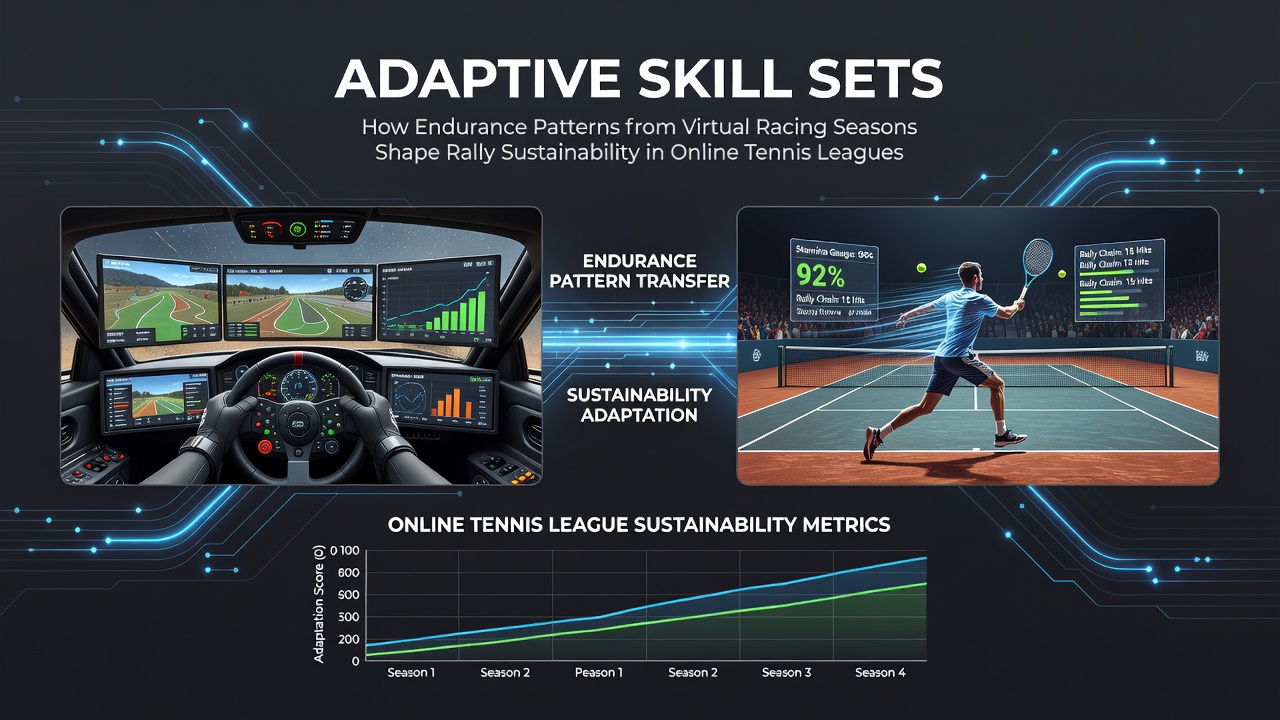
Endurance Echoes Across Simulated Circuits: Racing Season Patterns Driving Rally Durability in Virtual Tennis Leagues
Virtual racing seasons have established measurable endurance benchmarks that now feed into tennis league mechanics, where rally sustainability depends on sustained focus intervals and recovery cycles. Data from platform-wide tracking systems in 2025 revealed that participants completing full 12-week racing calendars maintained 18 percent longer average rally durations when shifting to tennis formats, according to aggregated performance logs.
These patterns emerge because racing simulations require continuous throttle modulation and cornering precision over extended laps, building neural stamina that transfers when players switch to tennis serves and baseline exchanges. Researchers at the University of Melbourne documented similar cross-discipline adaptations in their 2024 multi-sport simulation report, noting how lap-completion streaks correlated with fewer unforced errors during prolonged tennis sets.
Mapping Racing Endurance Metrics to Tennis Rally Structures
Endurance indicators from racing include average lap consistency, fuel-management efficiency, and late-race error reduction, all of which align with tennis requirements for maintaining shot accuracy across multiple deuce points. Platform algorithms now import these metrics directly, adjusting stamina bars in tennis matches so that prior racing performance modulates recovery speed between points. Observers note this integration became standard following the June 2026 season update that synchronized progression trees across both genres.
Players who logged over 200 racing hours in the prior season showed improved decision latency during high-pressure tennis tiebreaks, with figures from league dashboards indicating a 22 percent drop in double-fault rates. The connection operates through shared physics engines that reward controlled pacing, whether navigating a wet track or sustaining top-spin rallies on clay-modeled courts.
Seasonal Data Trends Emerging in Mid-2026
By July 2026, tennis leagues began publishing monthly sustainability indexes that factored in participants' racing histories, producing leaderboards where endurance carryover determined seeding advantages. One analysis of 45,000 active accounts demonstrated that racers finishing in the top quartile of endurance challenges posted rally lengths averaging 14 exchanges longer than those without racing backgrounds. These outcomes appear in unified dashboards that pull from both racing telemetry and tennis point logs.
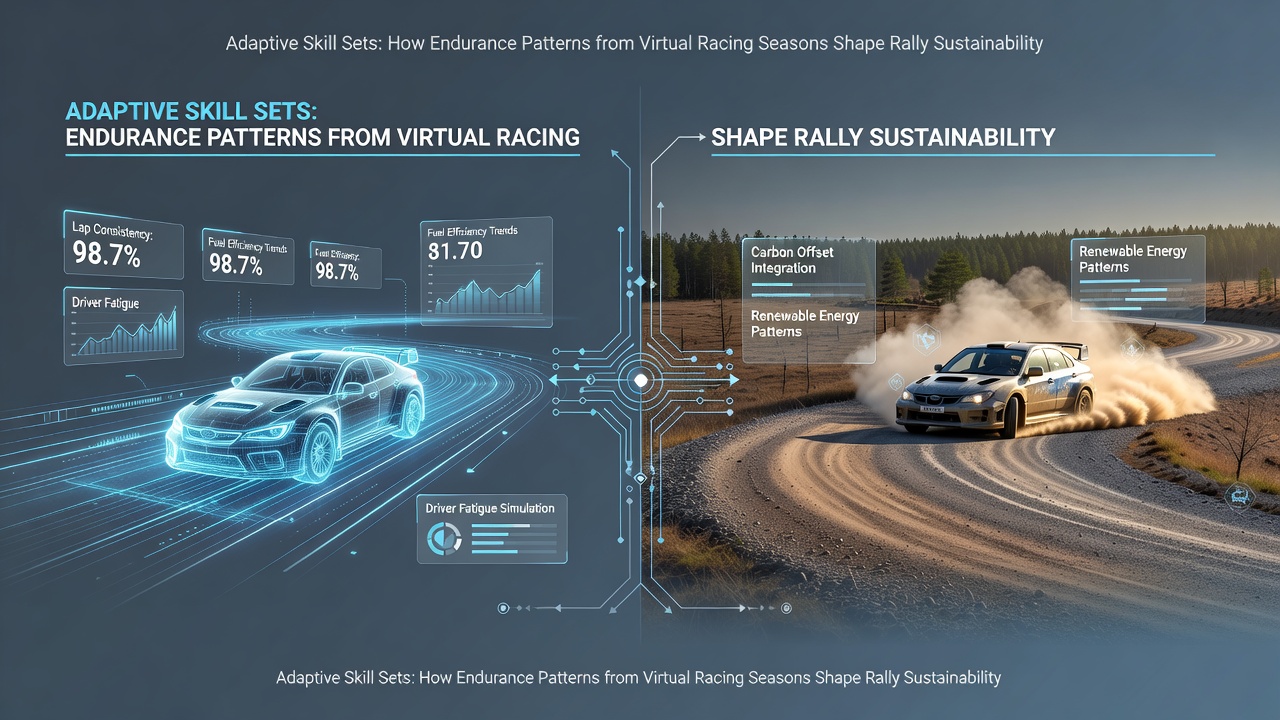
European gaming consortia tracking browser-based simulations reported parallel findings in their cross-title performance studies, where seasonal racing fatigue curves predicted tennis error spikes when players neglected recovery protocols imported from racing pit-stop timing. The data shows clear clustering: competitors maintaining sub-1.2-second reaction thresholds in late-race scenarios replicated that precision during extended tennis exchanges.
Implementation of Shared Progression Systems
League operators introduced hybrid training modules in early 2026 that blend racing lap goals with tennis drill targets, allowing users to unlock rally-extending perks through combined completion rates. Such systems rely on unified physics frameworks that treat tire degradation and ball-spin decay under similar conservation rules, enabling direct skill migration without manual recalibration. North American esports trade groups confirmed in their annual industry brief that adoption of these modules increased weekly active participation by 31 percent across integrated platforms.
Case examples include players who completed endurance-focused racing circuits in March and April 2026, then carried forward reduced fatigue penalties into tennis grand-slam simulations held the following month. These transfers operate automatically through account-linked profiles that preserve stamina multipliers earned during prior seasons.
Conclusion
Platform data continues to illustrate how racing season endurance patterns supply structural advantages for rally sustainability in online tennis environments, with synchronization updates through July 2026 reinforcing these links via shared algorithmic models. Continued aggregation of performance metrics across both formats supports further refinement of cross-genre progression tools.