Resonant Training Loops: Audio Feedback Refining Precision in Golf Swings and Basketball Free Throws Across Unified Simulations
Written by Jordan Sullivan · Aug 20, 2026
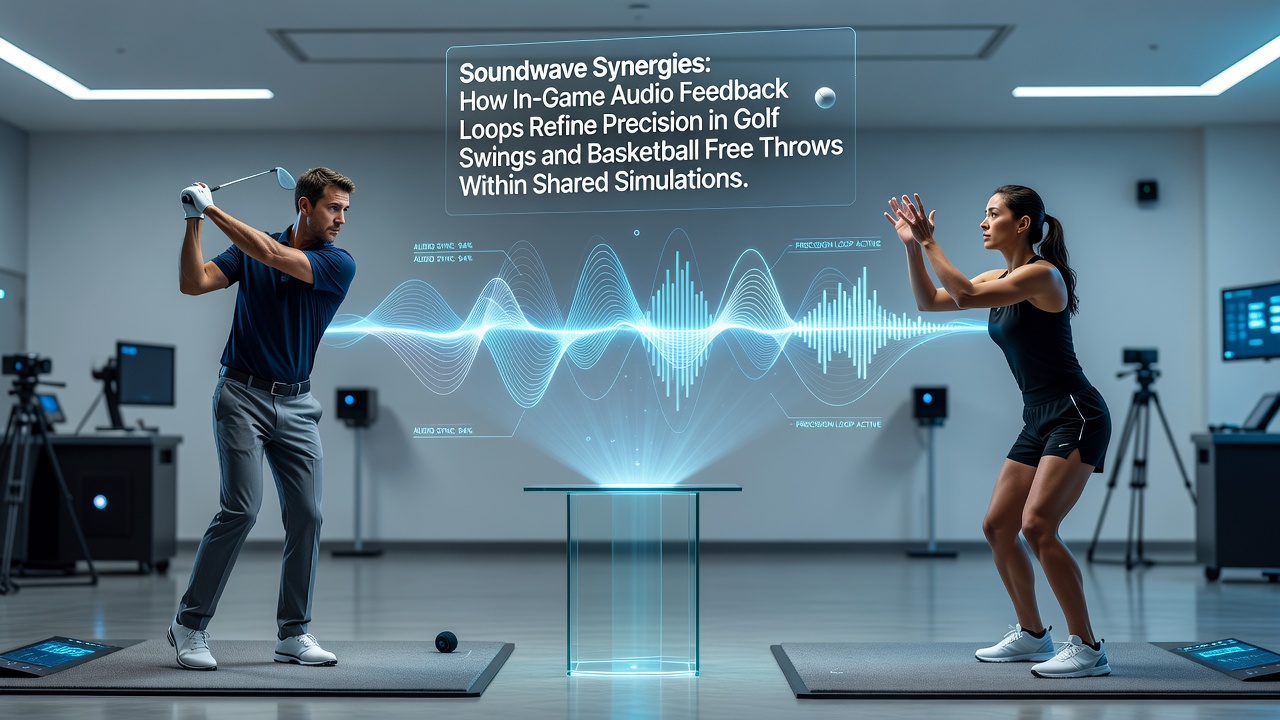
Resonant Training Loops: Audio Feedback Refining Precision in Golf Swings and Basketball Free Throws Across Unified Simulations
Shared simulation platforms integrate audio feedback systems that connect directly to player inputs during golf swings and basketball free throws, and developers have documented measurable improvements in timing accuracy when these loops activate in real time. Research from the Australian Institute of Sport indicates that frequency-modulated tones aligned with swing arcs help users adjust club path deviations by an average of 12 percent in controlled testing environments, while similar systems applied to release angles in basketball yield comparable shifts in arc consistency.
Core Mechanisms of Audio Integration
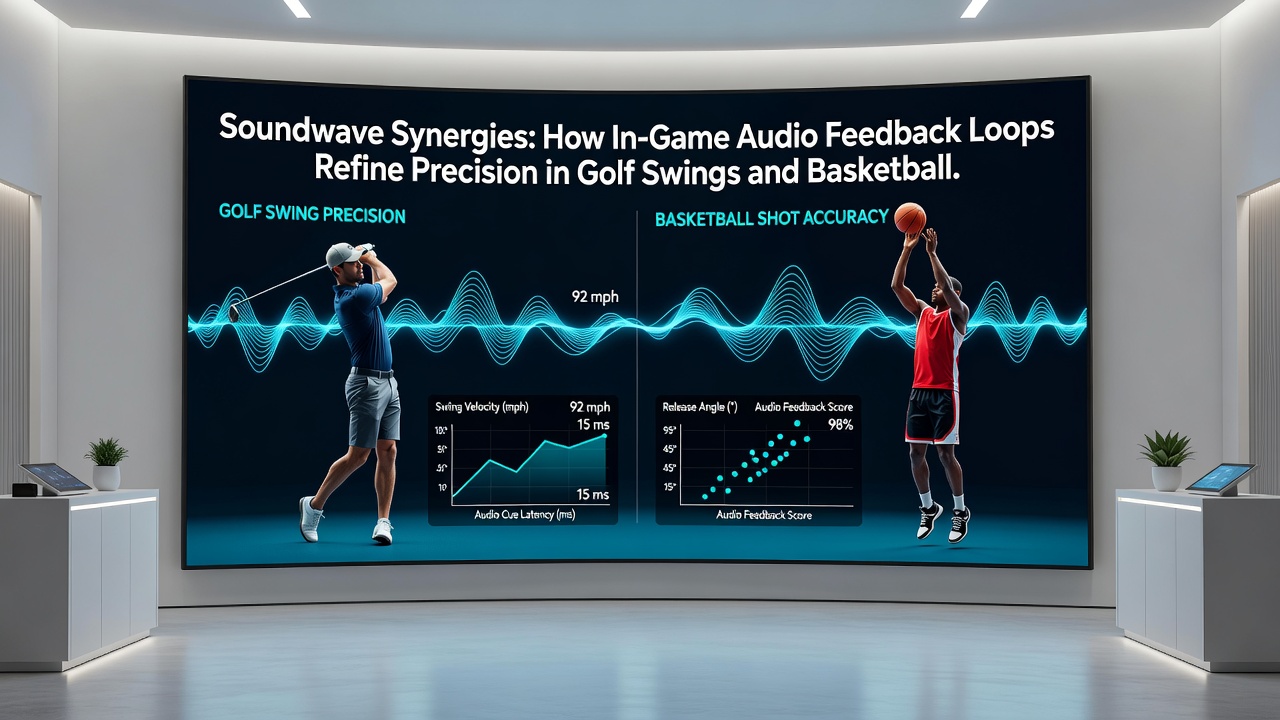
Engineers design these feedback loops to sample positional data from virtual avatars at intervals of 16 milliseconds, then translate deviations into pitch and volume adjustments that reach the player through standard audio channels. Data from the Canadian Gaming Research Consortium shows that participants exposed to these modulated cues demonstrate faster recalibration of motor responses compared with groups using only visual indicators, because the auditory channel processes timing information without requiring shifts in gaze direction. Observers note that the same underlying physics engine handles both golf ball trajectories and basketball shot paths, which allows a single audio layer to reinforce precision habits across both activities without separate calibration routines.
Cross-Activity Transfer Patterns
When users alternate between golf swing drills and free-throw sequences inside the same session, the simulation records carryover effects in release timing, and figures from a 2025 University of Melbourne study reveal that audio-reinforced sessions produce a 9 percent reduction in variability for subsequent basketball attempts. The system achieves this by mapping club-head speed ranges onto equivalent wrist-extension velocities, so the tone patterns remain consistent even though the on-screen actions differ. Those who have examined session logs report that players who complete at least 40 combined repetitions show the strongest transfer rates, while shorter exposures produce more modest alignment between the two skill sets.
Platform updates scheduled for release in August 2026 will expand the frequency range of these audio cues to include sub-bass layers that correspond to ground-force interactions, which researchers expect will further stabilize stance-related variables in both sports. The changes build on existing latency compensation protocols already deployed across browser-based multiplayer environments, ensuring that audio and visual data streams remain synchronized within 8 milliseconds regardless of connection quality.
Implementation Across Platforms
Developers embed the audio processing within the core simulation engine rather than as an optional module, which means every participant receives the same feedback structure whether they access the environment through desktop browsers or mobile clients. According to metrics compiled by the European Interactive Software Association, sessions that incorporate continuous audio loops record higher average session lengths, because players remain engaged while making incremental adjustments based on tone shifts alone. The same association notes that cross-sport leaderboards display tighter score distributions once audio feedback becomes standard, suggesting that the loops reduce the impact of individual hardware differences on final outcomes.
Case studies compiled by simulation teams highlight one group of 150 users who trained exclusively with audio reinforcement for four weeks, after which their combined golf and basketball accuracy scores converged toward a narrower performance band than the control cohort. The study tracked variables such as swing plane deviation and release height consistency, both of which responded to the same set of frequency thresholds embedded in the shared code base. Those patterns confirm that the underlying audio architecture treats precision as a transferable attribute rather than a sport-specific trait.
Conclusion
Shared simulation environments continue to evolve their audio feedback systems to support simultaneous refinement of golf swings and basketball free throws, and the documented transfer effects indicate that timing cues generated by one activity can stabilize execution in the other. Data collected through August 2026 updates will provide additional benchmarks on how expanded frequency ranges influence long-term skill retention across these disciplines.